
vanity table mirror with lights
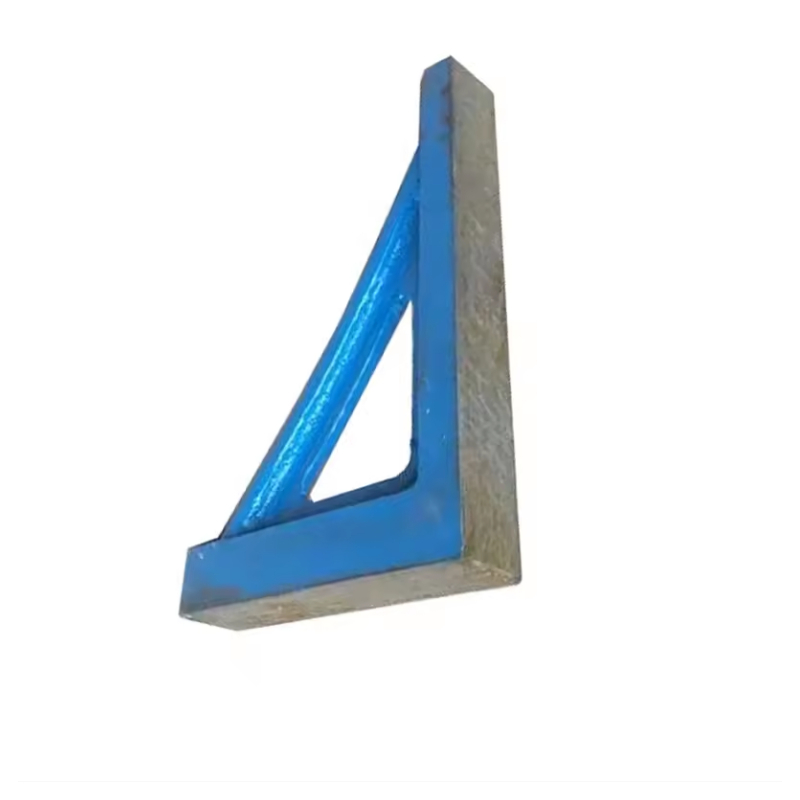
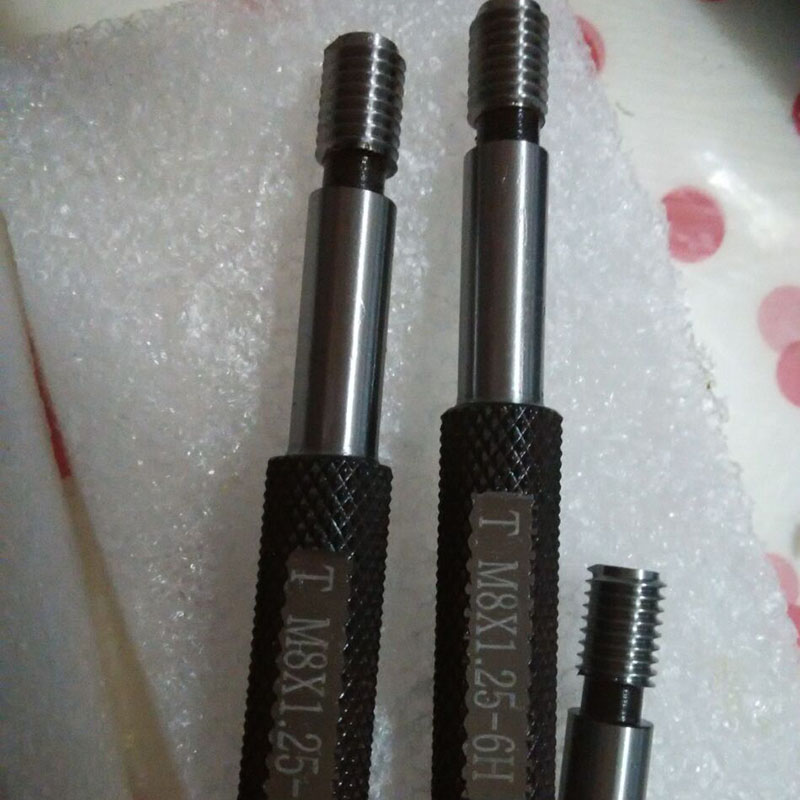
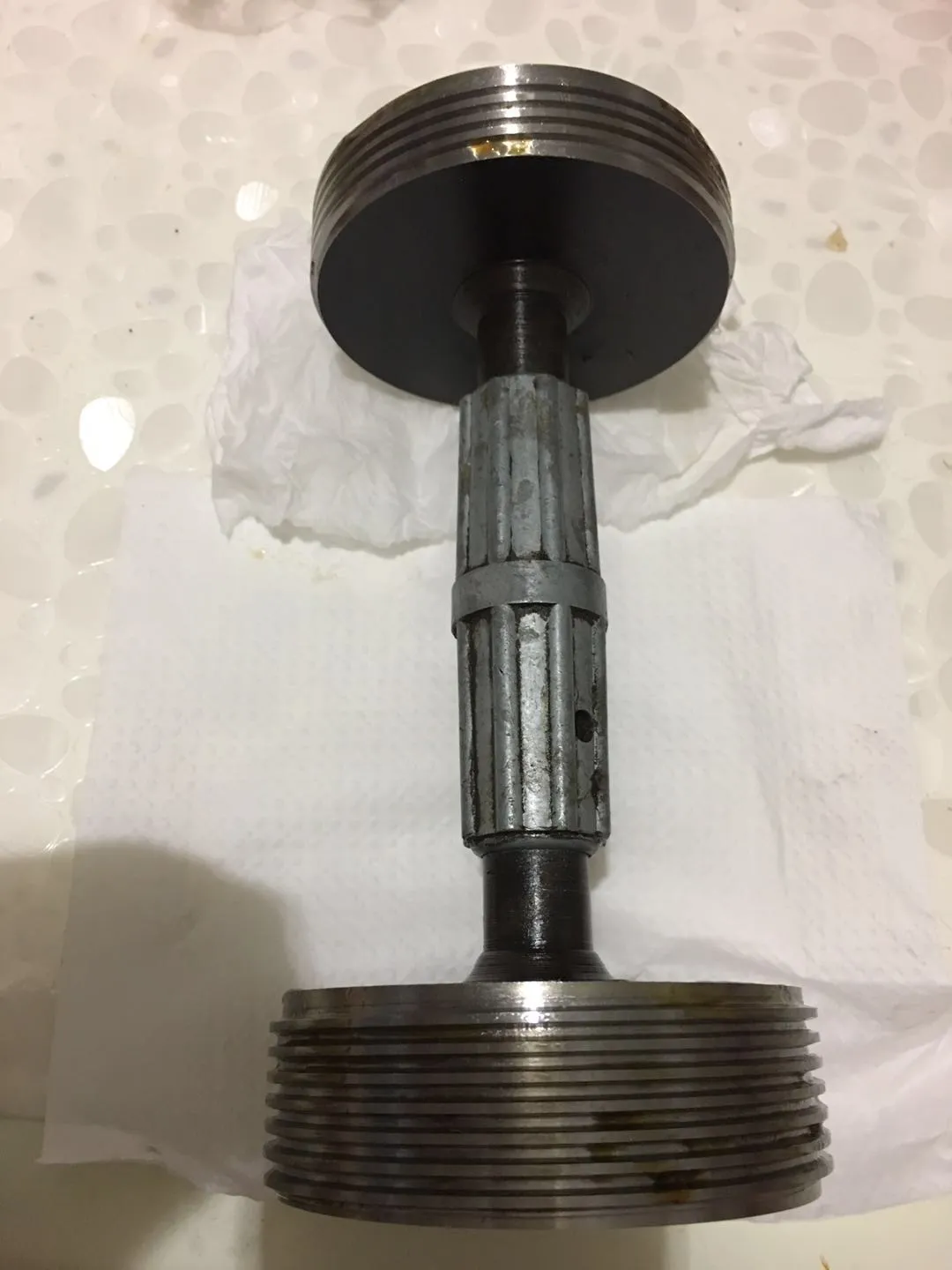
Understanding the Spline Gauge A Precision Tool in Engineering In the world of precision engineering and manufacturing, the need for accurate measurements cannot be overstated. One of the tools that play a crucial role in ensuring this precision is the spline gauge. The spline gauge is an instrument specifically designed to measure the angles and profiles of spline shafts, which are non-circular features used extensively in automotive and mechanical applications. A spline is defined as a series of ridges or teeth on a shaft that fit into corresponding grooves on a mating part. This design allows for the transmission of torque while also enabling parts to be easily assembled and disassembled. The engagement between the spline and its counterpart must be precise, as any misalignment can lead to increased wear and tear, reduced efficiency, or even failure of the mechanism. The spline gauge offers a straightforward yet effective solution for checking the accuracy of spline dimensions. It typically comes with a series of notched blades or templates that correspond to standard spline profiles. By placing the gauge against the spline, engineers and technicians can easily verify that the profile matches the specified dimensions. This verification process is essential in quality control during manufacturing processes and during routine maintenance checks. One of the significant advantages of using a spline gauge is its simplicity and ease of use . Unlike more complex measurement tools, spline gauges require minimal training and can yield immediate results. They are particularly valuable in environments where quick assessments are necessary, such as in automotive diagnostics or in manufacturing assembly lines. spline gauge Different types of spline gauges are available, depending on the specific application. These can range from simple manual gauges to intricate digital gauges that provide numerical readouts. Digital spline gauges often incorporate advanced technology such as laser measurement, allowing for even higher precision and ease of use. These tools can eliminate human error in measurement and offer automated data logging for record-keeping and analysis. In addition to their role in quality control, spline gauges have educational value. They provide students and aspiring engineers with hands-on experience in measurement techniques and an understanding of the importance of tolerances in engineering design. By using spline gauges, students learn to appreciate the nuances of mechanical systems and the significance of precise component interactions. As industries continue to evolve, with advancements in materials and manufacturing techniques, the precision requirements for components like splines are becoming more stringent. Consequently, the role of the spline gauge will remain pivotal in ensuring that these components adhere to the highest standards of quality and performance. In conclusion, the spline gauge is an indispensable tool in the realm of precision measurement. Its ability to ensure the correct profile and alignment of splines contributes significantly to the reliability and efficiency of a broad range of mechanical systems. As technology advances, the spline gauge will continue to adapt and evolve, but its fundamental purpose of safeguarding accuracy in engineering will remain vital for the foreseeable future.
about
vanity table mirror with lights
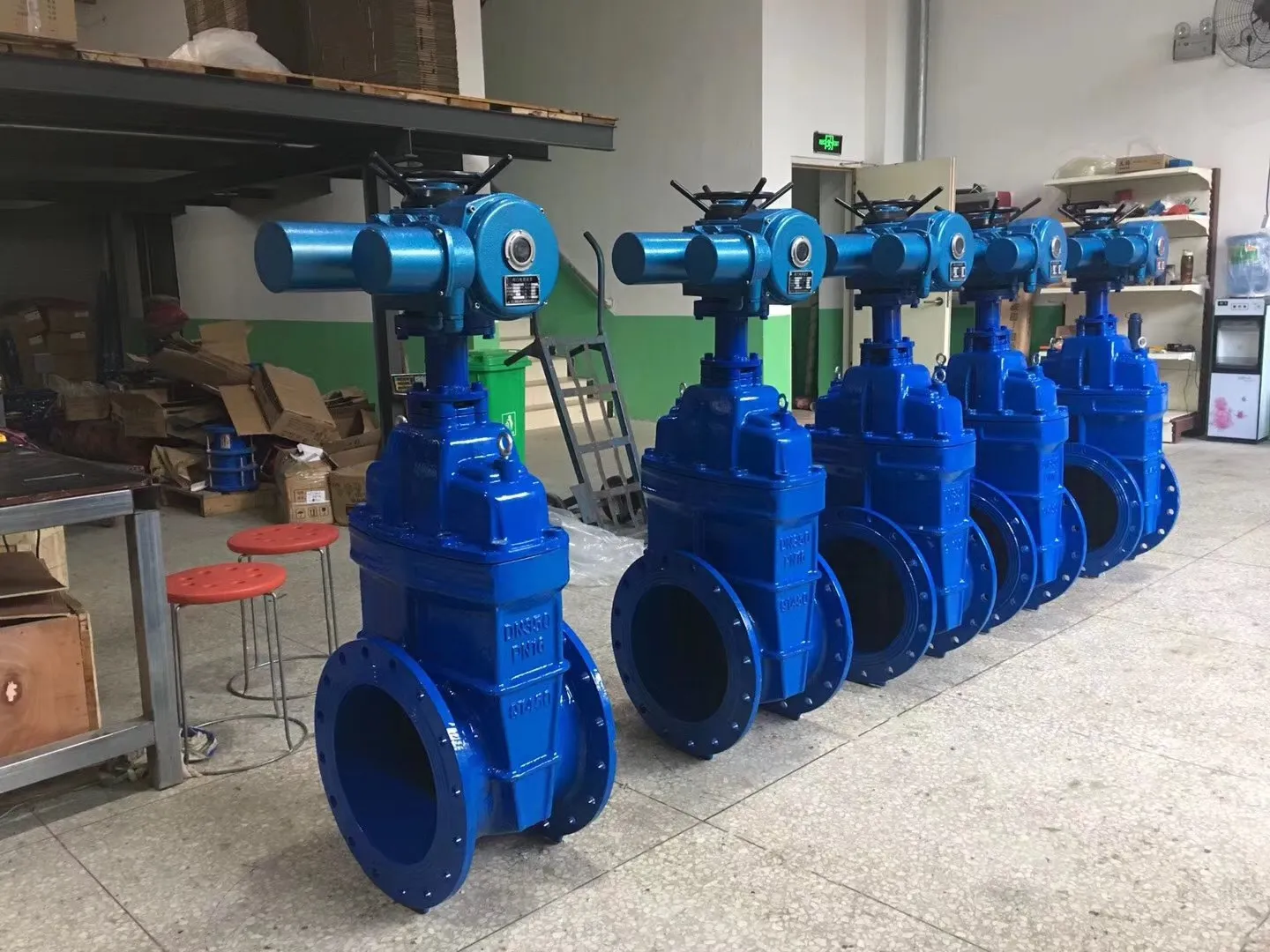
Replacing the Outside Water Valve A Step-by-Step Guide The outside water valve is an essential component of your home's plumbing system. It controls the flow of water to your outdoor faucets and irrigation systems. Over time, wear and tear can lead to leaks or failures in the valve, necessitating a replacement. If you find yourself with a faulty outside water valve, don’t fret! Replacing it is a manageable DIY project that can enhance your home’s water efficiency. This article will guide you through the process of replacing the outside water valve. Tools and Materials Needed Before diving into the replacement process, ensure you have the necessary tools on hand. You’ll need - Adjustable wrench - Pipe wrench - Screwdriver - Teflon tape - Replacement valve (ensure you get the correct size for your system) - Bucket or towel (to catch any water) - Safety goggles and gloves Step 1 Turn Off the Water Supply Before you can replace the outside water valve, it’s crucial to turn off the water supply to prevent any flooding or leaks during the process. Locate the main water valve in your home and shut it off . Once this is done, relieve any pressure in the system by opening the nearest faucet to drain the water. Step 2 Remove the Old Valve Using your adjustable wrench, carefully disconnect the old water valve from the piping. Depending on how the valve is installed, you may need to use a pipe wrench to loosen stubborn connections. Be prepared for some water spillage, so keep your bucket or towel handy to soak up any escaping water. If the valve is particularly corroded or stuck, you can apply penetrating oil to help loosen it. Step 3 Clean the Threads outside water valve replacement With the old valve removed, take a moment to clean the threads on the piping. This step is crucial for ensuring a proper seal with the new valve. Use a wire brush or cloth to scrub away any debris or corrosion that may have accumulated over time. Step 4 Install the New Valve Before installing the new valve, wrap the threads of the pipe with Teflon tape. This tape helps prevent leaks and ensures a tight connection. Once wrapped, it’s time to thread the new valve onto the pipe. Hand-tighten it first, then use the adjustable wrench to secure it, being careful not to overtighten and cause damage. Step 5 Turn the Water Supply Back On After securely attaching the new valve, it’s time to turn the water supply back on. Slowly open the main valve and check for any leaks around the connection points of the new valve. If you notice any drips or water escaping, carefully tighten the connections until you achieve a leak-free seal. Step 6 Test the Valve With the water supply restored and the valve potentially fixed, it’s important to test its functionality. Open the outdoor faucet connected to the new valve to ensure water flows properly. Observe for any irregularities, like sputtering or pressure drops, which might indicate issues with the installation. Conclusion Replacing the outside water valve may seem daunting, but with proper tools and a clear understanding of the steps involved, you can accomplish it easily. Regular maintenance and timely replacement of plumbing components like the outside water valve can save you money in the long run and ensure your outdoor water needs are met efficiently. If at any point you feel uncomfortable with the installation, don’t hesitate to call a professional plumber for assistance. Happy plumbing!
-

High quality industrial productsagement

High quality industrial products
View Details -

Meet the diverse needs of customers

Meet the diverse needs of customers
View Details -

Strict quality control

Strict quality control
View Details -

Top raw materials

Top raw materials
View Details -

Trusted supplier

Trusted supplier
View Details
Our application
news and information
What Is a Ball Check Valve_
When it comes to fluid control systems, one essential component that plays a critical role is the ch

water main valve
Understanding the intricacies of water main valves is essential for both homeowners and professional
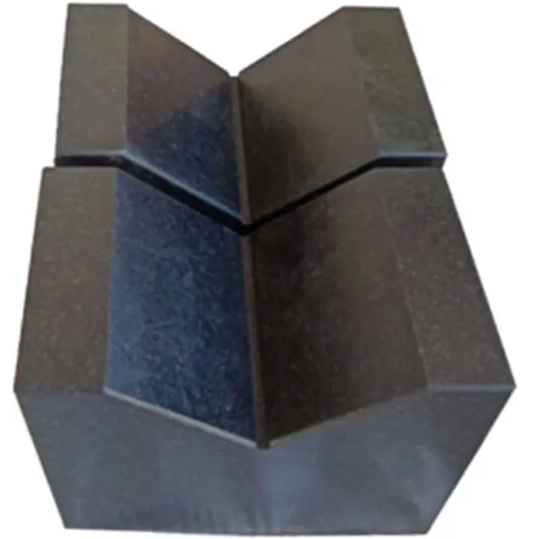
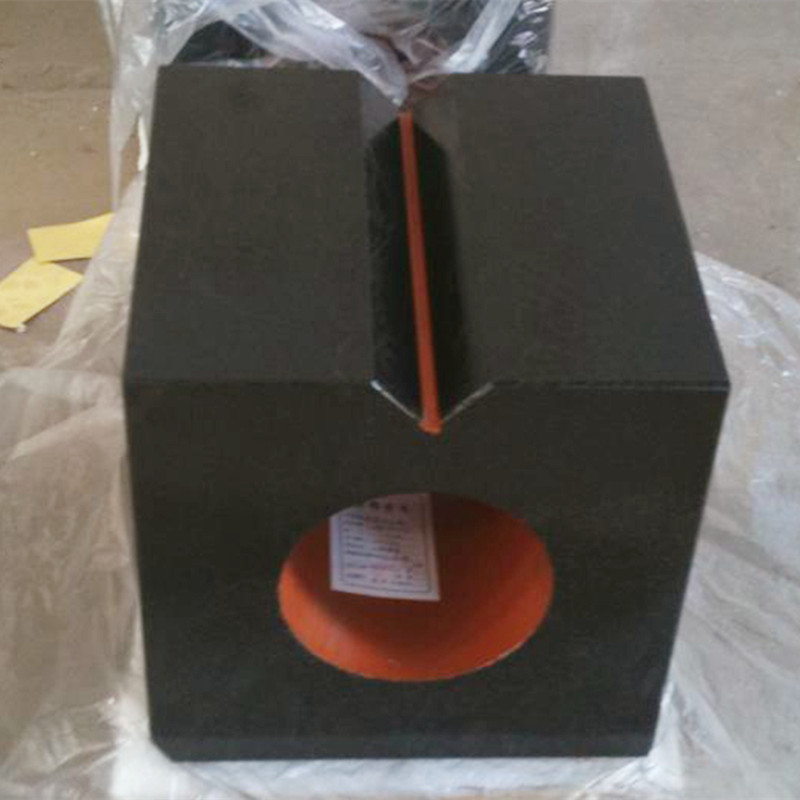
v block price
Understanding V Block Price An Overview In the ever-evolving landscape of digital currencies and bl
 English